An Athlete's Resting Heart Rate of 40-50 bpm: A Sign of Peak Fitness or a Warning Signal?

## 30-Second Summary
- For elite endurance athletes, a resting heart rate between **30 and 50 bpm** is common, with **up to 38%** of athletes recording rates as low as **40 bpm** or less on Holter monitors.
- This low heart rate, or **bradycardia**, is generally a sign of an efficient, well-conditioned heart that pumps more blood per beat and is often a **beneficial physiological adaptation**, not a health threat.
- The condition, often termed "athletic heart syndrome," involves not just a slow heart rate but also changes in heart size and function driven by both **fitness and genetic predisposition**.
- A resting heart rate below 60 bpm in non-athletes may indicate an underlying health issue and warrants medical evaluation.
- **Crucially, without symptoms like fainting, dizziness, or weakness, a heart rate of 40-50 bpm in an athlete is typically benign and a marker of excellent cardiovascular health**.
---
## The Athlete's Heart: A Study in Efficiency
For a highly trained endurance athlete, seeing a resting heart rate of 40 or 50 beats per minute (bpm) on a monitor is often a source of pride. It's a tangible sign of a powerful, efficient cardiovascular system. However, for the average person, the same number might be a cause for a doctor's visit.
So, what does a low resting heart rate in an athlete truly signify—a mark of peak performance or a dangerous signal? This article breaks down the science behind the "athlete's heart" to help you understand the difference.
The heart is a muscle, and like any muscle, it adapts to the demands placed upon it. For endurance athletes who consistently challenge their cardiovascular system, the heart undergoes profound and beneficial changes. These changes, known collectively as "athletic heart syndrome," enable the heart to pump a greater volume of blood with each beat, delivering more oxygen to working muscles. As a result, the heart doesn't need to beat as frequently to meet the body's demands when at rest.

---
## The Science of Athletic Bradycardia
While a resting heart rate below 60 bpm is clinically defined as **bradycardia**, in athletes, it's a well-recognized physiological adaptation. But how low does it go? Recent research published in *Circulation* (2025) provides some of the most detailed insights.
The Pro@Heart cohort study, which included 465 current and former elite endurance athletes, found that a significant portion displayed very low heart rates on Holter monitoring:
* **38%** (175 athletes) had a minimum heart rate of **≤40 bpm**.
* **2%** (7 athletes) had a minimum heart rate of **≤30 bpm**.
* **25%** (115 athletes) had pauses of **≥2 seconds** in their heart rhythm, predominantly occurring overnight and without symptoms.

These findings demonstrate that a heart rate of 40 bpm, and even transient pauses, can be well-tolerated in this population. The study concluded that "resting bradycardia (HR ≤40 bpm) and pauses of 2 to 3 s are present in a significant proportion of endurance athletes and are well tolerated".
### The Role of Fitness and Genetics
Why do some athletes develop a much slower heart rate than others? The research points to two key factors: **fitness and genetics**.
1. **Fitness Adaptation**: Sustained endurance training leads to structural and functional changes in the heart, a process known as "sinus node remodeling." This makes the heart's natural pacemaker more efficient. These changes are independent of the nervous system's "rest and digest" (vagal) tone, meaning the heart itself physically adapts to become more efficient over time.
2. **Genetic Predisposition**: Excitingly, the Pro@Heart study found that genetics also play a significant role. Using a polygenic risk score (HR-PRS), researchers discovered that:
* All athletes had a significantly lower genetic risk score (associated with lower heart rates) compared to non-athletes.
* Athletes with the lowest genetic scores (bottom quartile) had lower minimum heart rates (median 41 bpm vs 45 bpm) and a greater "bradycardia burden" than those in the top quartile.
* This genetic predisposition was an independent predictor of bradycardia, increasing the odds by **two-fold** even after accounting for age, sex, and fitness.
This suggests that genetics may, in part, predispose individuals to both athleticism and the characteristic low heart rate that comes with it.
---
## When a Low Heart Rate is a Warning Sign
The key question for any athlete or coach is: **How do you know if this adaptation is healthy?**
The fundamental rule is that symptoms tell the story. An asymptomatic athlete with a heart rate of 40 bpm is likely experiencing a normal, healthy adaptation. For these individuals, the low rate is simply a sign of an efficient, powerful heart.
However, it's crucial to distinguish this from pathological bradycardia, which can be a sign of an underlying medical issue.

If a low resting heart rate is accompanied by any of the following symptoms, it is a **red flag** requiring medical evaluation:
* **Unexplained fatigue or weakness**
* **Dizziness or lightheadedness**
* **Fainting (syncope) or near-fainting episodes**
* **Shortness of breath**
While not common, very low heart rates and pauses can, in rare cases, be associated with a need for a permanent pacemaker with advancing age. One of the core challenges in sports cardiology is the lack of definitive criteria to separate normal, physiological changes from early pathological ones.
### Athletes vs. Non-Athletes
The context of a low heart rate is everything.
* **In Athletes**: A resting heart rate of 40-50 bpm is generally a sign of excellent cardiovascular health. It indicates that the heart is highly conditioned and efficient. Studies show that 50-85% of conditioned athletes have benign sinus bradycardia.
* **In Non-Athletes**: A resting heart rate below 60 bpm can sometimes be a sign of an electrical problem with the heart, hypothyroidism (an underactive thyroid), or damage from a heart attack or other heart disease. For a sedentary individual, a heart rate this low is a clear signal to see a doctor.
> "Unless you feel tired, dizzy, or weak, there's usually no cause for concern, especially because it sounds like you're in good physical shape."
> — **Dr. Deepak L. Bhatt**, former Editor in Chief, Harvard Heart Letter
---
## Practical Takeaways for Athletes and Coaches
1. **Know Your Baseline**: The most useful data is not a single number, but your own trends over time. Understanding your normal resting heart rate and how it changes with training load can provide valuable insights into your recovery and overall fitness.
2. **Monitor for Symptoms**: Pay close attention to how you feel. It's one thing for a monitor to show a low heart rate; it's another to feel dizzy or weak. If you are asymptomatic, it is almost certainly a sign of health, not disease.
3. **Context is Key**: A heart rate of 45 bpm is a badge of honor for a marathon runner but a potential cause for concern for someone who is sedentary.
---
## How Technology Can Help
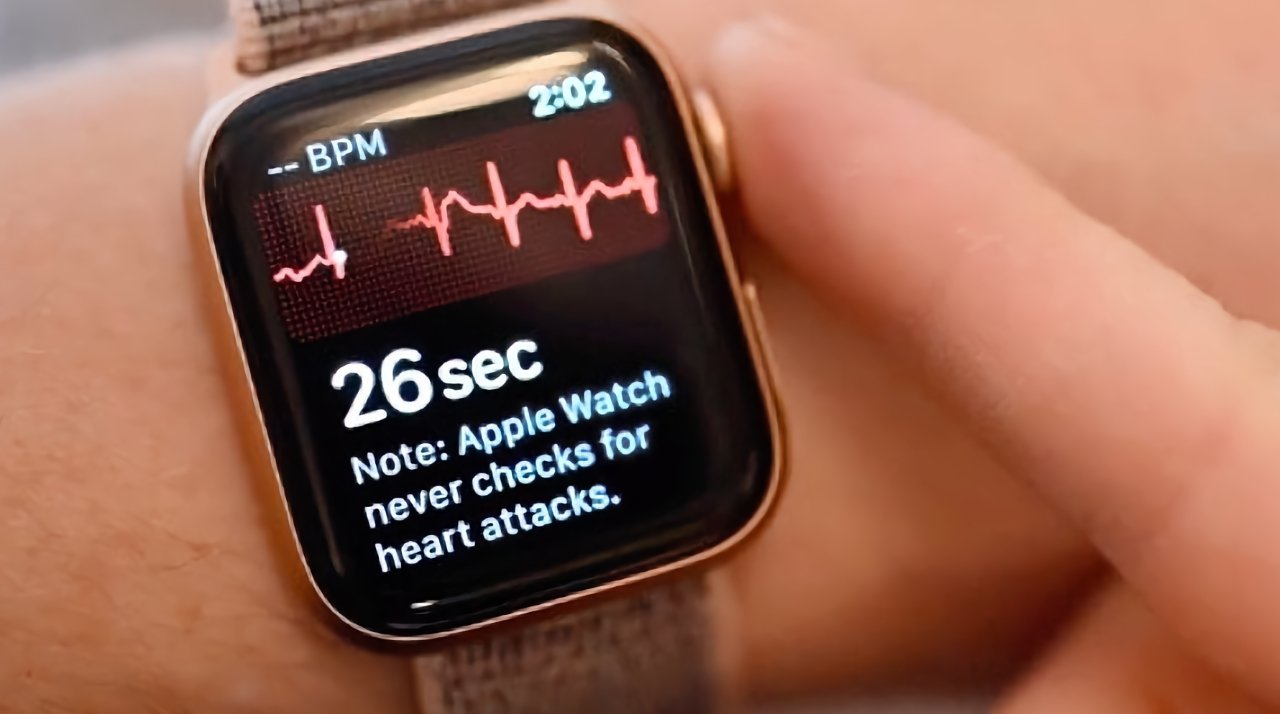
Wearable technology allows athletes to track their heart rate continuously, but it's important to use this data intelligently.
- **Track Nighttime Trends**: Screenless wearables like the [**BKC × ZekNeo Smart Bracelet**](https://shopbkc.com/products/bkc-zekneo-smart-bracelet) can monitor overnight heart rate patterns without disturbing sleep, providing a more accurate picture of true resting recovery.
- **Focus on Metrics, Not Just Numbers**: Look for trends in heart rate variability (HRV) alongside resting heart rate. A rise in resting heart rate or a drop in HRV can be an early sign of overtraining or inadequate recovery.
- **Understand the Limitations**: Studies show that while wrist-worn sensors can be good for tracking trends, their accuracy can vary, especially during high-intensity exercise where they may show poor validity.

---
## Summary Table
| Population | Typical Resting HR | Common Significance | Warning Signs |
| :--- | :--- | :--- | :--- |
| **Athlete (Endurance)** | 30 - 50 bpm | Healthy adaptation; high efficiency; "Athletic Heart Syndrome" | Dizziness, fainting, weakness, or fatigue at this heart rate |
| **Athlete (Strength/Power)** | 45 - 60 bpm | Likely healthy; may not have the same degree of cardiac remodeling as endurance athletes | Symptoms like chest pain, shortness of breath, or palpitations |
| **Non-Athlete (Sedentary)** | 60 - 100 bpm | Normal range | A HR below 60 bpm may signal an underlying issue and should be evaluated by a doctor |
---
## Final Thoughts
A resting heart rate of 40-50 bpm in a trained athlete is almost always a positive sign. It is a testament to the heart's remarkable ability to adapt to the demands of endurance exercise, becoming a more powerful and efficient pump. This adaptation is driven by a combination of fitness training and an individual's genetic makeup.
The critical distinction for an athlete, coach, or anyone using heart rate data is **the presence or absence of symptoms**. As long as you feel healthy and perform well, a low heart rate is not a sign of a problem, but rather a powerful indicator of peak cardiovascular fitness.
---
*Note: This article is for educational purposes only and does not constitute medical advice. Always consult with a healthcare professional regarding your heart health and any symptoms you may experience.*