How to Improve HRV Quickly: A 7-Day Practical Guide from Diet to Breathing

## 30-Second Summary
- **Heart rate variability (HRV)** is not fixed—it responds rapidly to lifestyle interventions. Research shows that **slow-paced breathing** and **humming breathing** both significantly increase HRV in as little as one session .
- **Alcohol is a major HRV disruptor**—consuming just one drink more than your personal average increases nocturnal resting heart rate by **2.4–2.8 bpm** and reduces HRV by **3.3–3.8 ms** .
- **Finishing your last meal at least 3 hours before bed** allows your body to wind down for restorative sleep, maximizing overnight HRV improvement .
- **Six weeks of HRV biofeedback training** has been shown to improve myocardial blood flow reserve during mental stress in patients with coronary artery disease .
- **Track trends, not single readings**—at least 5 nights of overnight HRV data are needed for a reliable 7-day estimate .
---
## Introduction: HRV Is Not Fixed—You Can Change It
Unlike your height or eye color, heart rate variability (HRV) is a dynamic metric that responds to what you do—often within hours or days. The question "how to improve HRV quickly" has a real answer, backed by science.
This guide provides **evidence-based, actionable interventions** organized into a 7-day plan. Each recommendation is grounded in peer-reviewed research, not wellness trends.

---
## Week 1: The Science-Backed 7-Day Plan
### Day 1–7: Master Your Breathing (The Most Powerful Tool)
Breathwork is one of the most effective, immediately accessible tools for boosting HRV. Psychologist and biofeedback expert Dr. Leah Lagos describes breathwork as training your autonomic nervous system to become more adaptable to stress .
**The Science:** A 2025 pilot study published in *Physiology & Behavior* found that both **slow-paced breathing (5-second inhale, 5-second exhale)** and **humming breathing (Bhramari Pranayama)** significantly increased HRV compared to rest, with no significant difference between the two methods .
Both techniques increased:
- **SDNN** (Standard Deviation of all NN intervals)
- **Total Power**
- **Low Frequency (LF) power**
**The Practice:**
| Technique | How To Do It | When |
|:----------|:-------------|:-----|
| **Slow-Paced Breathing** | Inhale for 4–5 seconds, exhale for 6 seconds. Aim for 4.5–6 breaths per minute. | Morning and evening, 10–15 min each |
| **Humming Breathing (Bhramari)** | Deep inhale, exhale while making a low humming sound ("m") until breath is fully expelled. | Anytime—especially during stress |
**Why humming works:** The humming component introduces additional vagal stimulation through vocal fold vibrations and nitric oxide production in the paranasal sinuses . Research even suggests humming produces the lowest stress index—lower than during sleep .

### Day 1–7: Optimize Your Nutrition Timing and Quality
What you eat—and when—directly affects your autonomic nervous system.
**The Science:** Research links HRV benefits with the Mediterranean diet, fish consumption, and multivitamin use . But timing matters just as much as content.
**Key Intervention:** **Finish your last meal at least 3 hours before bed.** This habit allows your body to fully digest before sleep, maximizing overnight HRV improvement .
**Additional dietary strategies:**
- Increase **omega-3-rich foods** (fatty fish, walnuts, flaxseeds)
- Emphasize **nutrient-dense greens** and whole foods
- Track your HRV in response to different foods—personalize based on your data

### Day 1–7: Reduce Alcohol—Dramatically
This is the single most impactful short-term intervention. The data on alcohol and HRV is remarkably clear.
**The Science:** A 2026 study analyzing **5.1 million person-days from nearly 21,000 participants** found that **acute alcohol consumption is associated with dose-dependent disruptions** to cardiovascular regulation and sleep .
Specifically, **consuming one drink more than personal average** was associated with:
- **Nocturnal resting heart rate increase**: 2.8 bpm (females), 2.4 bpm (males)
- **HRV decline**: 3.8 ms (females), 3.3 ms (males)
These changes were **more pronounced in females and younger adults** .
**Action:** If you're serious about improving HRV quickly, eliminating alcohol for 7 days is the most direct path. The study also found that **drinking earlier in the day** and **obtaining longer post-drinking sleep** can attenuate these effects if abstinence isn't possible .

---
## How to Track Your Progress
### Wearable HRV Tracking Basics
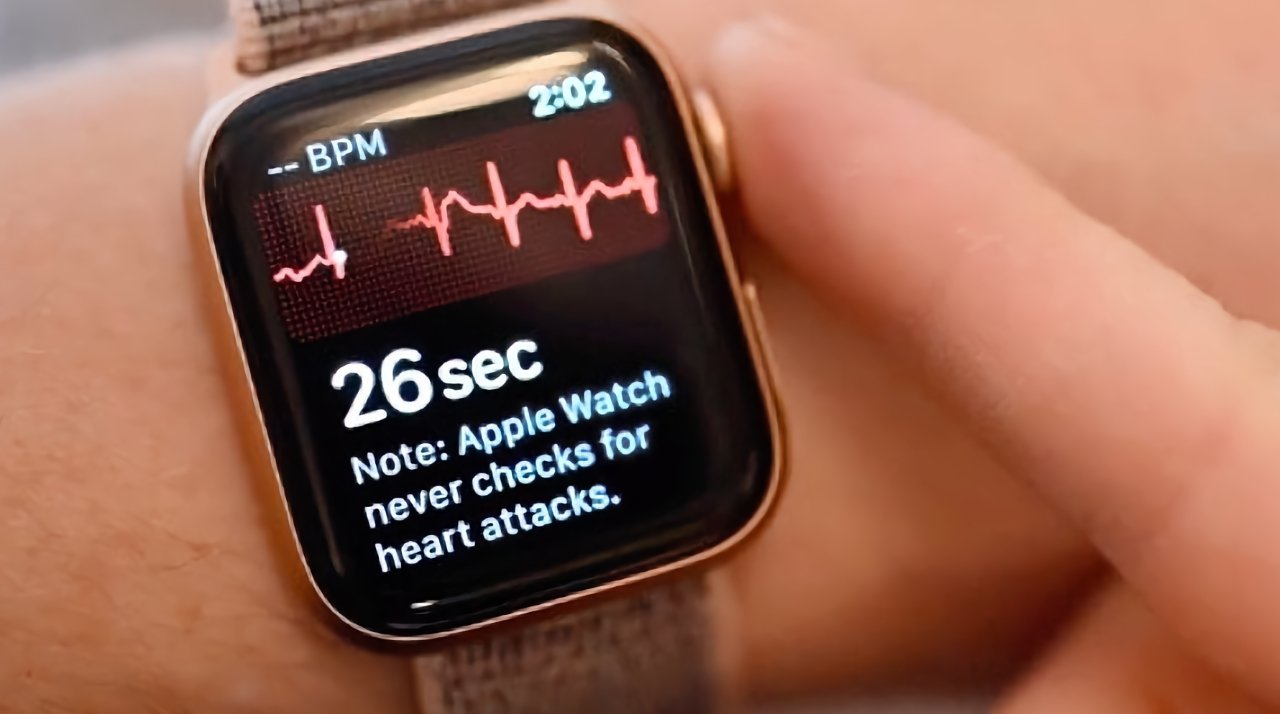
Your wrist-worn device can track HRV trends, but measurement protocol matters significantly.
**Best practices for reliable HRV tracking :**
1. **Measure overnight**: Sleep provides stable, consistent conditions for HRV measurement.
2. **Aim for 5+ nights**: At least 5 of 7 nights are required to achieve reliable 7-day HRV estimates .
3. **Establish a baseline**: Most devices need 1-3 weeks of data to establish your personal normal range .
4. **Look at 7-day averages**: Daily fluctuations are normal—trends matter more than single readings.
5. **Track context**: Note alcohol, sleep quality, stress, and meals alongside your HRV.


### What HRV Status Categories Mean
Garmin's HRV status categories, applicable to most wearables, help interpret your numbers :
| Status | Meaning | Action |
|:-------|:--------|:-------|
| **Balanced** | 7-day average within baseline | Maintain current habits |
| **Unbalanced** | 7-day average above or below baseline | Consider stress, sleep, alcohol, training load |
| **Poor** | 7-day average significantly below baseline | Prioritize recovery and investigate causes |
| **No Status** | Insufficient data (<3 weeks tracking) | Continue wearing device consistently |
---
## The Clinical Evidence: HRV Biofeedback Works
The benefits of HRV-focused interventions extend beyond wellness metrics. A 2025 randomized clinical trial published in *JAMA Network Open* examined whether HRV biofeedback (HRVB) could improve myocardial blood flow during mental stress in patients with coronary artery disease .
**Key findings**:
- Six weeks of HRVB training significantly improved myocardial flow reserve during mental stress compared to usual care .
- The HRVB group showed a between-group difference in flow reserve of **0.10 units** greater than usual care (p = 0.03) .
This suggests that HRV training is not just about "feeling better"—it has demonstrable effects on cardiovascular physiology during real-world stress challenges .

---
## 7-Day HRV Improvement Checklist
| Day | Breathing Practice | Nutrition | Alcohol | Sleep | Tracking |
|:----|:-------------------|:----------|:--------|:------|:---------|
| **1** | 2x 10-min slow breathing (4:6) | Last meal >3h before bed | Zero alcohol | Consistent bedtime | Start overnight HRV |
| **2** | Morning/evening breathing | Omega-3-rich meal (salmon/walnuts) | Zero alcohol | 7–9 hours | Record sleep quality |
| **3** | Breathing + add humming | Mediterranean-style meal | Zero alcohol | Dark, cool room | Note any stress |
| **4** | Breathing practice | Greens + lean protein | Zero alcohol | No screens 1h before | Check 7-day average |
| **5** | Breathing practice | Last meal >3h before bed | Zero alcohol | Consistent bedtime | Compare to baseline |
| **6** | Breathing practice | Omega-3-rich meal | Zero alcohol | 7–9 hours | Review HRV trends |
| **7** | Breathing practice | Nutrient-dense day | Zero alcohol | Prioritize sleep | Evaluate 7-day change |
---
## Summary Table: What Works for HRV
| Intervention | Effect | Timeline | Evidence Level |
|:-------------|:-------|:---------|:---------------|
| **Slow-paced breathing (4.5-6 breaths/min)** | Significant HRV increase | Immediate—single session | Strong (RCT & pilot studies) |
| **Humming breathing** | Equivalent to slow-paced breathing | Immediate | Emerging (pilot) |
| **Eliminating alcohol** | HRV +3-4 ms, HR -2-3 bpm | 1-7 days | Strong (5.1M person-days) |
| **Last meal >3h before bed** | Enhanced overnight recovery | Immediate | Expert consensus |
| **Mediterranean diet pattern** | Long-term HRV benefit | Weeks-months | Observational |
| **HRV biofeedback (6 weeks)** | Improved cardiac stress response | 6 weeks | RCT evidence |
---
## Final Thoughts
Improving HRV "quickly" is realistic—but the timeframe is days to weeks, not hours. The most effective 7-day strategy combines:
1. **Daily slow-paced or humming breathing**—immediate, science-backed
2. **Zero alcohol**—removes a major acute disruptor
3. **Early dinner**—optimizes overnight recovery
4. **Consistent overnight HRV tracking**—provides feedback and motivation
HRV is a window into your autonomic nervous system. Over 7 days, these evidence-based practices can shift that window toward better balance—and give you a clear sense of what works for your body.
---
*Note: This article is for educational purposes only and does not constitute medical advice. Always consult with a healthcare professional before beginning or modifying an exercise program.