HRV 101: How Much Health Secrets Does Your Heart Rhythm Hide?

## 30-Second Summary
- **Heart rate variability (HRV)** is the variation in time between consecutive heartbeats—measured in milliseconds, not beats per minute.
- **Think of HRV as your nervous system's "gas pedal and brakes"** —sympathetic activity (gas) lowers HRV, parasympathetic activity (brakes) raises it.
- **Higher HRV is not always better**—the U-shaped relationship between HRV and mortality shows that both extremely low and extremely high variability can signal health problems.
- **The key is your personal baseline and trends**, not comparing your score to someone else's.
- **HRV is not simply a "stress score"** —it's a complex physiological signal influenced by age, fitness, genetics, sleep, hydration, inflammation, and more.
---
## What Is HRV? Beyond the Heartbeat
Imagine your heart is not a metronome, but a jazz drummer. A metronome clicks at perfectly spaced intervals; a drummer, while keeping the beat, plays with subtle, living variations between each note. **Heart rate variability (HRV) measures precisely this variation**—the time differences between consecutive heartbeats.

A healthy heart does not tick like a metronome. Healthy hearts show complex, nonlinear beat-to-beat variations. These variations indicate that your heart can flexibly respond to changing conditions. When your heart becomes too precise—losing its variability—it may signal that your autonomic nervous system is struggling.
### The "Gas Pedal and Brakes" Metaphor
HRV is best understood through the **balance of your autonomic nervous system's two branches**:
- **Sympathetic nervous system (the gas pedal)** : Activates your "fight or flight" response. When you're stressed, exercising, or excited, this system revs up your heart rate—**and HRV drops**.
- **Parasympathetic nervous system (the brakes)** : Controls the "rest and digest" response. This system slows your heart rate, promotes recovery, and allows your body to perform maintenance—**and HRV rises**.
Just as a car needs both a responsive gas pedal and sensitive brakes to navigate safely, your body needs both systems to function optimally. When you're resting, you want the brakes engaged; when you're sprinting, you need the gas.

### How Breathing Shapes HRV
Your breathing naturally influences HRV in a phenomenon called **respiratory sinus arrhythmia (RSA)** :
- **Inhale**: Your heart rate speeds up (parasympathetic inhibition)
- **Exhale**: Your heart rate slows down (parasympathetic activation)
This is why slow, deep breathing (around 6 breaths per minute) can increase HRV—it exercises the "brakes" and improves nervous system flexibility. This may explain why meditative breathing practices have documented health benefits.

---
## Why "Higher HRV Is Always Better" Is a Dangerous Myth
Many people assume high HRV = good health, low HRV = poor health. While generally true at the population level, this oversimplification misses critical nuances.
### The U-Shaped Truth
A large 2024 study of 3,983 patients with atrial fibrillation, published in the *Annals of Noninvasive Electrocardiology*, found a **U-shaped relationship** between HRV and mortality risk.
| HRV Level (Quartile) | Risk of All-Cause Death |
|:---------------------|:------------------------|
| Lowest quartile | Significantly increased (HR = 2.28) |
| Middle quartiles | Baseline (lowest risk) |
| Highest quartile | Significantly increased (HR = 1.82) |
After an average follow-up of 3.5 years, both the **lowest and highest HRV quartiles independently predicted increased mortality risk** compared to the middle quartiles.
**Why does extremely high HRV carry risk?** In some conditions—like atrial fibrillation—excessively high variability reflects arrhythmic instability, not healthy adaptability. In other words, **too much variation can be as concerning as too little**.

### The Importance of Your Personal Baseline
HRV varies dramatically from person to person. It declines naturally with age—average HRV drops by approximately **10 milliseconds per decade lived**: from ~100 ms in childhood to ~70 ms at age 30-40, ~40 ms at age 60-70, and ~10 ms at age 90-100.
Factors that affect your baseline HRV:
* **Age**: HRV naturally decreases with age
* **Genetics**: Some individuals are simply born with higher or lower baseline HRV
* **Fitness**: Cardiovascular fitness generally raises HRV
* **Medications**: Beta-blockers and other heart medications can alter HRV
* **Medical conditions**: Diabetes, heart disease, depression, and anxiety all affect HRV
Given this variation, **your HRV only has meaning against your own baseline**. Comparing your number to a friend's is largely pointless.

---
## HRV Is Not a "Stress Score"
Consumer wearables often simplify HRV into a single "readiness" or "stress" score. This is a dangerous oversimplification.
HRV is influenced by much more than psychological stress:
| Factor | Effect on HRV |
|:-------|:--------------|
| **Vaccination** | HRV can plummet temporarily as the immune system responds |
| **Infection (even mild)** | HRV often drops before symptoms appear |
| **Alcohol consumption** | Reduces HRV by disrupting sleep and autonomic balance |
| **Sleep quality** | Fragmented sleep blunts HRV |
| **Hydration** | Dehydration can lower HRV |
| **Training load** | Overtraining drives HRV down |

### Real-World Example: HRV Drop After Vaccination
Dr. George Lundberg, former Editor-in-Chief of Medscape, tracked his HRV after receiving simultaneous COVID-19 and influenza vaccines. His overnight HRV plummeted from a baseline of 17-35 ms to **10 ms—the lowest ever recorded**. The next day, it rebounded to 28 ms.
What caused the drop? His immune response triggered sympathetic nervous system activation—**not psychological stress**. A recent study of 75 healthy volunteers confirmed that HRV drops significantly on day 2 after mRNA vaccination and returns to baseline by day 10.
This is why interpreting HRV requires **context**: a low HRV score after vaccination or during an illness is not a sign of "stress"—it's a sign of a healthy immune response.

---
## How to Use HRV Intelligently
### For Athletes and Fitness Enthusiasts
Research from HRV4Training founder Dr. Marco Altini emphasizes that **daily HRV fluctuations matter far less than long-term trends**.
| HRV Pattern | Likely Meaning | Action |
|:------------|:---------------|:-------|
| Stable near your baseline | You're coping well with training load | Proceed with planned workout |
| Slightly down for one day | Minor fluctuation; not necessarily cause for alarm | Hold steady, avoid extra intensity |
| Clearly down for several days with poor sleep | Accumulated fatigue or overtraining | Prioritize recovery, switch to easy work |
| Suppressed after travel, alcohol, or disrupted night | Temporary strain | Delay hard work and reassess tomorrow |

**Key Rule**: Let HRV support your decisions, not make them for you. Always combine HRV data with how you actually feel—morning soreness, motivation, and sleep quality.
### For General Health
HRV is best viewed as a **screening tool for autonomic resilience**, similar to how C-reactive protein (CRP) screens for inflammation. If HRV is stable within your normal range, your nervous system is likely adapting well. If it suddenly drops and stays low, investigate potential causes—but don't panic over a single reading.
---
## How Wearables Track HRV
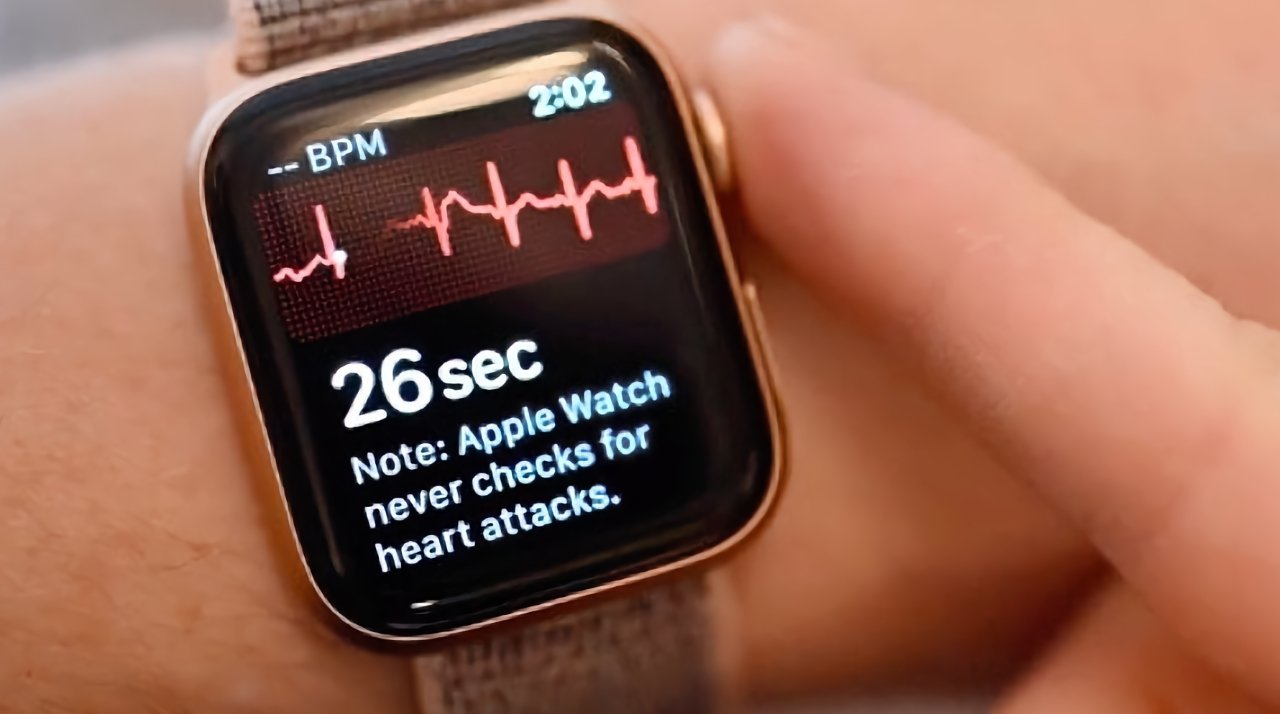
Consumer wearables use **photoplethysmography (PPG)** —optical sensors that detect blood volume changes at the wrist. While not as accurate as ECG, PPG-based devices can effectively track HRV trends.
**Best practices for HRV tracking with wearables:**
- **Measure overnight**: Sample across the entire night (4-5 hours minimum) for reliable data
- **Use RMSSD**: Among HRV features, rMSSD is preferred due to standardization
- **Track consistently**: Same time, same conditions every day
- **Watch for trends**: Look at 7-14 day averages, not single-day spikes
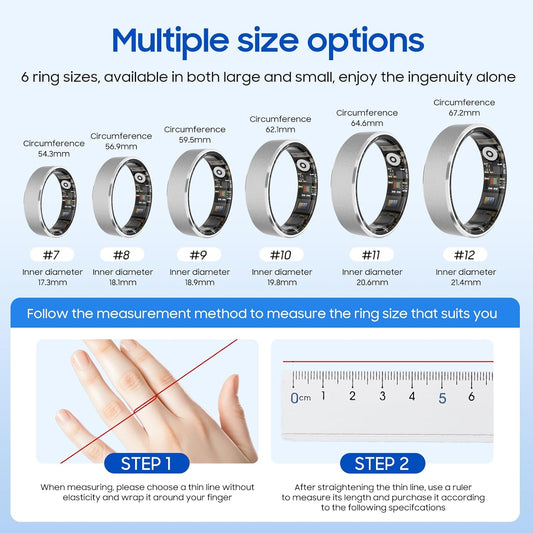
**[Image Placeholder 9]**
*Figure 9: The BKC × ZekNeo Smart Bracelet—a screen-free, 14g wearable designed for comfortable 24/7 HRV tracking. Its long battery life (30 days) and minimalist design make it ideal for overnight monitoring.*

---
## How to Improve HRV
Improving HRV requires the same habits that improve overall health:
- **Regular exercise**—especially moderate-to-vigorous cardiovascular activity
- **Quality sleep**—7-9 hours with high efficiency (>85%)
- **Stress management**—meditation, deep breathing (6 breaths/min), and mindfulness
- **Healthy diet**—whole foods, limited processed items
- **Avoid smoking and excess alcohol**—both acutely lower HRV
- **Social connection**—supportive relationships improve autonomic balance

In general, sustainable improvements in HRV take weeks to months—not days.
---
## Summary Table
| Question | Answer |
|:---------|:-------|
| **What does HRV measure?** | Variation in time between consecutive heartbeats (milliseconds) |
| **What system controls HRV?** | Autonomic nervous system—sympathetic (gas) and parasympathetic (brakes) |
| **Is high HRV always good?** | No—extremely high HRV can signal arrhythmic instability; the relationship is U-shaped |
| **What matters most?** | Your personal baseline and trends—not comparing to others |
| **Is HRV a stress score?** | No—it's influenced by infection, inflammation, sleep, hydration, and more |
| **How do I interpret a sudden low HRV?** | Consider recent vaccines, illness, poor sleep, alcohol, or overtraining—context matters |
---
## Final Thoughts
HRV is a window into your autonomic nervous system, offering valuable insight into how well your body adapts to stress, recovers from exertion, and maintains resilience. But **it is not a simple "stress score"** —and "higher is always better" is a dangerous oversimplification.
The smartest way to use HRV data: **track your trends, establish your baseline, consider the context, and let the data inform—not dictate—your decisions**. Your heart rhythm holds many secrets—but they require patience and perspective to decode.
---
Note: This article is for educational purposes only and does not constitute medical advice. Always consult with a healthcare professional regarding your heart health and any symptoms you may experience.