Why Does Resting Heart Rate Drop at Night? The Physiology of Nocturnal Recovery

30-Second Summary
- Your heart rate typically drops **20–30% below daytime resting levels** during sleep, driven by reduced sympathetic stimulation and increased parasympathetic (vagal) activity.
- This nocturnal decline—known as **heart rate dipping**—is a key indicator of cardiovascular recovery and autonomic nervous system health.
- **Sleep quality matters more than sleep duration**: low sleep efficiency (under 85%) is linked to blunted heart rate dipping, regardless of total sleep time.
- Wearables that track overnight heart rate patterns without disturbing sleep—especially **screen-free devices**—can provide more accurate, natural data for recovery assessment.
- A blunted nocturnal heart rate dip (less than 10% reduction) has been associated with increased risk of adverse cardiovascular events.
The Physiology Behind the Nightly Slowdown
Your heart doesn't simply "slow down" at night—it undergoes a carefully orchestrated shift in nervous system control that reflects deep physiological recovery.

For decades, the nighttime drop in heart rate was attributed almost entirely to the **parasympathetic nervous system**—the "rest and digest" branch—taking over while you sleep. High vagal tone during sleep was thought to be the primary driver. However, recent research has revealed a more complex picture. The sinus node—the heart's natural pacemaker—contains its own **circadian clock**, and long-term sympathetic blockade significantly reduces the amplitude of the day-night heart rate rhythm. In other words, the rhythm is not solely imposed by the brain; the heart itself has an intrinsic rhythm that works alongside the autonomic nervous system.

During light sleep, your heart rate gradually slows to its resting rate within about five minutes. But during **deep (slow-wave) sleep**, the most profound changes occur: your blood pressure falls and your heart rate drops to approximately **20–30% below your waking resting heart rate**. This is the period when the cardiovascular system experiences its most significant recovery.
During REM (dreaming) sleep, however, heart rate can fluctuate considerably—sometimes rising as if you were awake, reflecting the activity level of your dreams.
---
What "Heart Rate Dipping" Reveals About Your Health
The magnitude of your nighttime heart rate decline—known as **nocturnal heart rate dipping**—has become an important cardiovascular health indicator.

Normal dipping is defined as a **≥10% reduction** in heart rate from wake to sleep. A blunted dip (<10%) is associated with:
- Increased risk of adverse cardiovascular events
- Higher all-cause mortality in both normotensive and hypertensive adults
- Greater prevalence of left ventricular hypertrophy and arrhythmia risk
A 2023 analysis from the nationwide Japan Ambulatory Blood Pressure Monitoring Prospective (JAMP) study, which followed 6,359 patients over 4.5 years, found that a 10-beats/min increase in nighttime heart rate was associated with a **36–47% increase** in the risk of total cardiovascular disease, stroke, and heart failure events. This finding underscores that the nighttime heart rate pattern is not merely a curiosity; it has real prognostic significance.

---
## Sleep Quality, Not Just Sleep Duration, Matters
This is a critical insight: **how well you sleep matters more than how long you sleep** when it comes to heart rate recovery.
A 2014 study published in the *American Journal of Physiology-Regulatory, Integrative and Comparative Physiology* examined 22 young, normotensive adults over 7 days. Participants with **low sleep efficiency (under 85%)**—meaning they spent less than 85% of their time in bed actually asleep—showed a **blunted nocturnal heart rate dip (12% ± 3%)** compared to those with high sleep efficiency (**21% ± 3%**).

The low sleep efficiency group also had significantly higher average nighttime heart rates (63 ± 2 bpm vs. 55 ± 2 bpm).
Remarkably, these differences persisted **despite no significant difference in total sleep time** between the two groups. In other words, fragmented sleep—even when total sleep duration seems adequate—can compromise the cardiovascular recovery that normally occurs at night.

---
## What This Means for Wearables and Health Monitoring
The connection between sleep quality and nocturnal heart rate dipping has significant implications for how we use fitness trackers and health wearables.

### Why Screen-Free Devices May Have an Advantage
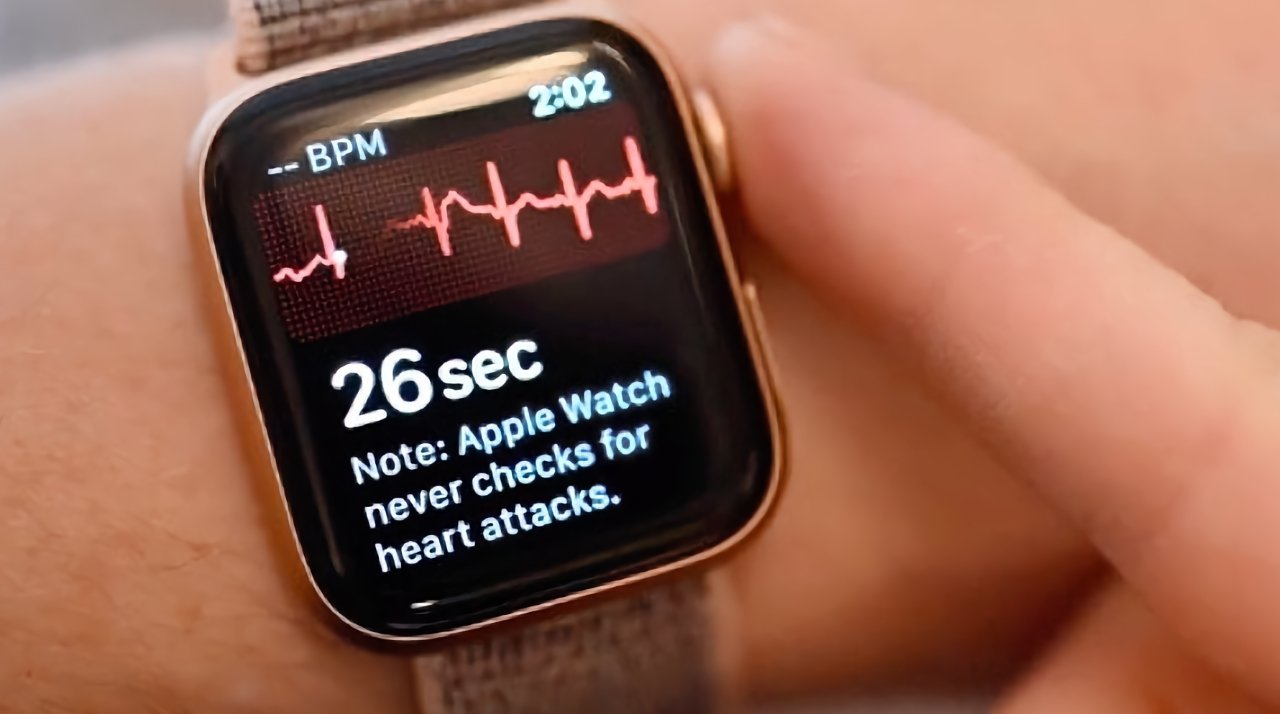
Traditional smartwatches with bright screens can:
- Disrupt sleep onset with notifications and visual stimulation
- Interrupt sleep if the screen lights up during the night
- Create "digital noise" that paradoxically undermines the sleep quality they aim to track
As PCMag noted in its review, the key advantage of screen-free devices is that they are "screenless, distraction-free fitness trackers" that allow users to "let it quietly track in the background" without the constant demand on attention that comes with a screen. By eliminating visual interruptions during sleep, these devices may allow for more natural, undisturbed overnight monitoring—potentially yielding more accurate data on natural recovery patterns.

### What to Monitor
If you're tracking nocturnal heart rate with a wearable, pay attention to:
| Metric | Normal Range / Pattern | Clinical Significance |
|:-------|:-----------------------|:----------------------|
| **Nocturnal HR dip** | ≥10% reduction from daytime resting rate | Blunted dip (<10%) linked to increased CV risk and mortality |
| **Deep sleep HR** | 20–30% below resting HR | Reflects maximum cardiovascular recovery |
| **Sleep efficiency** | >85% recommended | Low efficiency (<85%) associated with blunted HR dip regardless of total sleep time |
| **REM sleep HR** | Variable; can fluctuate | Reflects dream activity; may rise significantly |

### The BKC × ZekNeo Smart Bracelet Advantage
The BKC × ZekNeo Smart Bracelet is designed specifically for this type of uninterrupted health monitoring:
- **Screen-free, 14g ultra-light design**—comfortable enough to wear during sleep, unlike bulky smartwatches
- **24/7 health tracking**—monitors heart rate, blood oxygen, HRV, stress, and skin temperature throughout the day and night
- **Advanced sleep monitoring**—automatically tracks light, deep, and REM sleep, as well as awake time, helping you understand and improve your sleep quality
- **No subscription fees**—all features are included with the device, making it a cost-effective alternative to subscription-based trackers like Whoop
- **30-day battery life**—ensures uninterrupted tracking without the need for frequent charging
- **IP68 waterproof**—wear it daily without worry, even while sleeping
As one reviewer noted, "It's light enough that I genuinely forget it's on overnight, more than I can say for my Pixel Watch, which always felt awkward to sleep in. Sleep duration and heart rate matched the Watch closely across the week, close enough that I trust the trends".

---
## Final Thoughts
Your nighttime heart rate is more than just a number—it's a window into your cardiovascular recovery and autonomic health. The decline in heart rate during sleep represents a complex interplay between the nervous system, the heart's intrinsic circadian clock, and sleep quality itself.
For those using wearables to monitor health, the key insight is this: **tracking your sleep quality and heart rate patterns is more valuable than chasing step counts**. A device that can monitor these metrics without disrupting your sleep—like a screen-free tracker—may ultimately provide the most accurate picture of your recovery.
The [**BKC × ZekNeo Smart Bracelet**] offers this capability in an affordable, lightweight, subscription-free package that allows you to take control of your sleep and recovery data—without the distraction of a screen.
---
*Note: This article is for educational purposes only and does not constitute medical advice. Always consult with a healthcare professional regarding your heart health and any symptoms you may experience. The BKC × ZekNeo Smart Bracelet is designed for daily wellness tracking and trends, not professional-level medical precision.*