Is Your HRV Normal? Age / Gender / Fitness Level Comparison Chart

The Most Common HRV Question (And the Trickiest Answer)
You open your smart ring app. Your HRV (Heart Rate Variability) is displayed prominently—maybe 42 ms, maybe 68 ms, maybe 25 ms. And immediately, one question pops into your head:
"Is that... good?"
You want a simple answer. A number to aim for. A "pass/fail" grade for your nervous system.
Here is the honest truth that most smart ring companies won't shout from their marketing materials: There is no universal "healthy" HRV number.
But that does not mean HRV is useless. Far from it. You just need to stop comparing yourself to strangers and start comparing yourself to... yourself.

Part 1: Why "Normal HRV" Is a Trick Question
Before we give you any numbers, you need to understand three fundamental truths about HRV.
Truth #1: HRV Is Highly Individual
| Factor | Impact on HRV |
|---|---|
| Age | HRV decreases 2-5% per year after age 20 |
| Genetics | Accounts for 30-50% of your HRV baseline |
| Fitness level | Well-trained athletes have HRV 2-3x higher than sedentary peers |
| Gender | Men typically have slightly higher HRV than women |
| Sleep quality | Poor sleep lowers HRV by 10-20% |
| Stress level | Chronic stress lowers HRV by 15-30% |
A 25-year-old female marathon runner might have an HRV of 90 ms. A 55-year-old sedentary man might have an HRV of 25 ms. Both could be perfectly healthy for their respective contexts.

Truth #2: Different Devices, Different Numbers
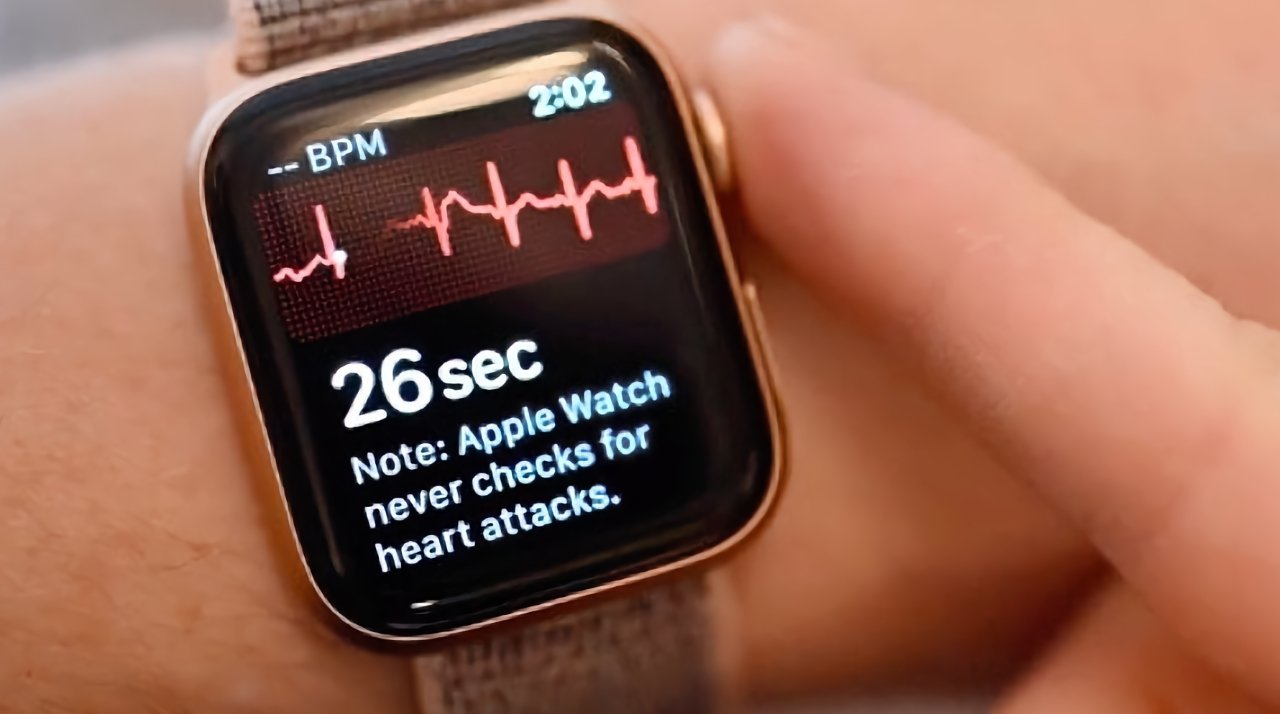
Your smart ring does not measure HRV the same way as your friend's Apple Watch or your other friend's Garmin.
| Device | HRV Formula | Typical Range |
|---|---|---|
| Oura Ring | RMSSD (during sleep) | 20-120 ms |
| Apple Watch | SDNN (during waking) | 30-150 ms |
| Garmin | RMSSD (during sleep) | 20-100 ms |
| Whoop | RMSSD (during sleep) | 25-150 ms |
You cannot compare HRV numbers across different devices. It is like comparing miles to kilometers.
Truth #3: Daily Fluctuation Is Normal
Your HRV today might be 50 ms. Tomorrow, with the same sleep and stress, it might be 45 ms or 55 ms. That is normal biological variation.
A single reading is a snapshot. A 30-day trend is a movie. Watch the movie.

Part 2: HRV Reference Ranges by Age (RMSSD – Smart Ring Standard)
Now, for the numbers you came for. Use these as loose guidelines, not diagnostic criteria.
| Age Group | Low HRV (Needs Attention) | Average Range | High HRV (Athlete-like) |
|---|---|---|---|
| 18-25 | <45 ms | 55 - 105 ms | >110 ms |
| 26-30 | <40 ms | 50 - 95 ms | >100 ms |
| 31-35 | <38 ms | 45 - 85 ms | >95 ms |
| 36-40 | <35 ms | 40 - 75 ms | >85 ms |
| 41-45 | <32 ms | 35 - 70 ms | >75 ms |
| 46-50 | <30 ms | 32 - 65 ms | >70 ms |
| 51-55 | <28 ms | 30 - 55 ms | >65 ms |
| 56-60 | <25 ms | 28 - 50 ms | >60 ms |
| 60-65 | <22 ms | 25 - 45 ms | >55 ms |
| 65+ | <20 ms | 20 - 40 ms | >50 ms |

Important Caveats for This Table:
-
These ranges are based on RMSSD (the formula used by Oura, Ultrahuman, RingConn)
-
Values are in milliseconds (ms)
-
These are population averages. Half of all healthy people will fall outside these ranges.
-
"Low" does not mean unhealthy—it means low compared to peers. Your personal baseline might naturally be low.
Part 3: HRV by Gender and Fitness Level
Gender Differences (Average HRV, Age 30-40)
| Gender | Typical HRV Range (RMSSD) | Notes |
|---|---|---|
| Male | 45 - 85 ms | Generally higher due to autonomic nervous system differences |
| Female | 40 - 75 ms | Fluctuates with menstrual cycle (lower during luteal phase) |
The gap narrows with age. By 60+, male and female HRV ranges are nearly identical.

Fitness Level Impact (Age 35, Male)
| Fitness Level | Typical HRV Range (RMSSD) | Compared to Sedentary |
|---|---|---|
| Sedentary (no regular exercise) | 35 - 55 ms | Baseline |
| Recreationally active (1-3x/week) | 45 - 70 ms | +20-30% |
| Moderately fit (3-5x/week) | 55 - 85 ms | +40-60% |
| Highly fit (5-7x/week) | 65 - 100 ms | +70-100% |
| Endurance athlete (professional) | 80 - 150 ms | +120-200% |

Real Example: Three 40-Year-Olds, Three Different HRVs
| Person | Lifestyle | HRV (RMSSD) | Status |
|---|---|---|---|
| David | Desk job, no exercise, sleeps 6 hours, high stress | 28 ms | Low for age (35-70 avg) but consistent. Needs lifestyle changes. |
| Maria | Walks 30 min daily, yoga 2x/week, sleeps 7.5 hours | 52 ms | Within average range (35-70). Healthy. |
| James | Runs 5x/week, strength trains 2x/week, sleeps 8 hours | 78 ms | Above average. Excellent cardiovascular fitness. |
All three are "normal" for their lifestyle. But David's 28 ms would be concerning for an athlete, and James's 78 ms would be impossible for a sedentary person.

Part 4: The Most Important Concept – Your Individual Baseline
Forget population averages. Forget what your friend's ring says. Your individual baseline is the only number that matters.
How to Find Your Personal HRV Baseline
| Step | Action | Duration |
|---|---|---|
| 1 | Wear your smart ring every night | 14-30 consecutive days |
| 2 | Ignore the first 3 nights (adaptation period) | - |
| 3 | Calculate your average HRV over the remaining nights | Days 4-30 |
| 4 | Calculate your normal range (baseline ± 10-15%) | Days 4-30 |
| 5 | This is YOUR healthy zone | Ongoing |
Example:
-
Your 30-day average HRV = 52 ms
-
Your normal range = 44 ms to 60 ms (52 ± 15%)
-
Any reading between 44-60 ms = "normal for you"
-
Below 44 ms = recovery needed
-
Above 60 ms = excellent readiness

Why Your Baseline Changes Over Time
Your HRV baseline is not fixed. It can shift based on:
| Trend | What It Means |
|---|---|
| Gradual increase (+5-10 ms over 3-6 months) | Improved fitness, better sleep, reduced stress. Healthy adaptation. |
| Gradual decrease (-5-10 ms over 3-6 months) | Declining fitness, chronic stress, aging (normal 2-5% per year). May need lifestyle changes. |
| Sudden drop (-20% over 1-2 weeks) | Acute stress, illness onset, overtraining, poor sleep. Immediate attention needed. |
| Sudden rise (+20% over 1-2 weeks) | Unusual. Could be recovery from previous low or (rarely) arrhythmia. Monitor. |
Part 5: Practical Guide – Interpreting Your HRV Daily
The Traffic Light System
| Color | HRV vs Baseline | Action |
|---|---|---|
| 🟢 Green | +5% or higher | Full go. Your body is recovered. Hard workout? Yes. Big presentation? Yes. |
| 🟡 Yellow | Baseline ± 5% | Normal go. Regular workout. Normal workload. Maintain habits. |
| 🟠 Orange | -5% to -20% | Easy day. Light activity only. Prioritize sleep. Skip the second coffee. |
| 🔴 Red | -20% or lower | Rest day. No exercise. Early bedtime. Cancel optional stress. Watch for illness symptoms. |

When to See a Doctor (Red Flags)
| Warning Sign | Why It Matters |
|---|---|
| HRV consistently below 15 ms (any age) | Extremely low HRV may indicate autonomic dysfunction. |
| Sudden HRV drop of >30% lasting 2+ weeks without clear cause (no illness, no overtraining) | Unusual pattern. Rule out underlying conditions. |
| HRV that is completely flat (no day-to-day variation) | Lack of variability can indicate certain heart rhythm issues. |
| Symptoms accompany low HRV (chest pain, severe fatigue, palpitations, fainting) | HRV is a supplement to medical evaluation, not a replacement. |
These are not diagnoses. They are conversation starters with your doctor.

Part 6: Quick Reference – Printable Summary
What Is a Healthy HRV?
| If you are asking... | The answer is... |
|---|---|
| "Compared to my age group?" | See Part 2 table (20-120 ms range) |
| "Compared to my gender?" | Men slightly higher than women until age 60 |
| "Compared to athletes?" | Athletes have 2-3x higher HRV. Do not compare. |
| "Compared to my device?" | Different devices use different formulas. Do not compare. |
| "Compared to yesterday?" | Focus on 7-day trend, not single-day changes |
| "Compared to my baseline?" | This is the only comparison that matters. |
The One-Sentence Takeaway
Your HRV is healthy if it stays within 15% of your own 30-day average, trends gradually upward with improved lifestyle, and feels subjectively aligned with your energy levels.