REM Sleep Complete Guide: How Smart Rings Detect Your Rapid Eye Movement Stage

The Most Mysterious Stage of Sleep
You wake up from a vivid dream—flying, falling, or reliving a memory from years ago. You check your smart ring app, and there it is: a red bar on your sleep graph labeled "REM: 1h 47m".
But what does that actually mean? Why does your smart ring care about REM sleep? And more importantly—is your ring actually accurate at detecting it?
This guide explains everything you need to know about REM sleep: what it is, why it matters for your health, and how your smart ring tracks it (including the honest truth about accuracy).

Part 1: What Is REM Sleep? (The Simple Explanation)
REM stands for Rapid Eye Movement. It is one of the four stages of sleep, but it is the most unique.
| Sleep Stage | Nickname | What Happens |
|---|---|---|
| N1 (Light) | Dozing off | Easy to wake, may feel falling sensation |
| N2 (Light) | True sleep | Body temperature drops, heart rate slows |
| N3 (Deep) | Deep sleep | Hard to wake, body repairs itself |
| REM | Dream sleep | Brain active like awake, eyes dart back and forth, body paralyzed |
The Four Characteristics of REM Sleep
| Feature | What It Means |
|---|---|
| Rapid Eye Movements | Your eyes move quickly behind closed lids |
| Brain Activation | EEG looks almost like you are awake (beta waves) |
| Muscle Atonia | Your body is temporarily paralyzed (except eyes and diaphragm) |
| Vivid Dreaming | Most memorable dreams happen here |

Part 2: The Science of REM – What Happens Inside Your Body
The Brain in REM
During REM sleep, your brain is remarkably active—almost as active as when you are awake.
| Brain Region | Activity Level | What It Does |
|---|---|---|
| Amygdala | High | Processes emotions, fear, and pleasure |
| Hippocampus | High | Consolidates memories |
| Visual cortex | High | Creates dream imagery |
| Prefrontal cortex | Low (logic offline) | Explains why dreams make no sense |
Key insight: Your logical brain (prefrontal cortex) is asleep, but your emotional brain (amygdala) and memory center (hippocampus) are wide awake. This is why dreams feel so real but make no logical sense.
The Body in REM
| Body System | REM State | Why It Matters |
|---|---|---|
| Heart rate | Irregular, can spike | Similar to being awake |
| Breathing | Irregular, faster | May pause briefly |
| Blood pressure | Variable | Can rise and fall |
| Body temperature | Not regulated | You don't shiver or sweat |
| Muscles | Paralyzed (except eyes/diaphragm) | Prevents acting out dreams |

Part 3: Why REM Sleep Matters – The Health Value
1. Memory Consolidation (The Learning Connection)
REM sleep is essential for turning short-term memories into long-term storage.
| Type of Memory | REM's Role |
|---|---|
| Procedural memory (how to do things) | Strengthens skills like playing piano, sports |
| Emotional memory | Processes feelings, reduces emotional charge of difficult events |
| Spatial memory | Helps you remember locations and navigation |
Real-world example: Students who get adequate REM sleep perform better on exams. Musicians who sleep after practicing show improved skills the next day.
2. Emotional Regulation (The Mood Connection)
REM sleep helps you process emotions. It is often called "overnight therapy."
| Without Enough REM | With Healthy REM |
|---|---|
| Irritable, moody | Emotionally balanced |
| Anxiety feels overwhelming | Better stress management |
| More likely to misinterpret social cues | Better emotional intelligence |
| Higher risk of depression | Lower depression risk |
A 2019 study found that REM sleep deprivation leads to increased amygdala reactivity (your brain's fear center) the next day—meaning small stressors feel much larger.

3. Brain Development (The Learning Connection for All Ages)
REM sleep is crucial for brain development, especially in infants.
| Age Group | REM Percentage | Why |
|---|---|---|
| Newborns (0-3 months) | 50% of sleep | Brain is building millions of new connections |
| Infants (3-12 months) | 30-40% | Rapid learning and development |
| Children | 20-25% | Learning, memory, emotional growth |
| Adults | 20-25% | Maintenance, memory, emotional health |
| Elderly | 15-20% | Declines naturally with age |
Fascinating fact: A newborn spends about 8-9 hours per day in REM sleep—more than most adults sleep in total.
4. Creativity and Problem-Solving
REM sleep has been linked to creative insights. The phrase "sleep on it" has real science behind it.
| Famous Example | REM Connection |
|---|---|
| Paul McCartney | Woke up with the melody for "Yesterday" in his head |
| Dmitri Mendeleev | Saw the periodic table in a dream |
| Elias Howe | Solved the sewing machine needle design in a dream |
REM sleep allows your brain to make new connections between seemingly unrelated ideas—the essence of creativity.

Part 4: How Smart Rings Detect REM Sleep
The Challenge: REM Looks Like a Mix of Wake and Deep Sleep
REM sleep is tricky to detect because:
| REM Characteristic | Why It Confuses Sensors |
|---|---|
| No movement | Looks like deep sleep (also motionless) |
| Heart rate variable | Looks like wake (also variable) |
| HRV lower | Looks like light sleep or wake |
Smart rings cannot measure eye movements or brain waves. So how do they guess?
The Signals Smart Rings Use
| Signal | REM Pattern | How It Helps |
|---|---|---|
| Heart rate | Faster and more irregular than deep sleep | Distinguishes REM from deep |
| HRV | Lower than deep sleep (sympathetic active) | REM has less HRV than deep |
| Movement | None (muscle paralysis) | Cannot use movement to detect |
| Temperature | Skin temperature rises slightly | May help, but not primary |
| Respiratory rate | Faster and more irregular | Emerging signal |
The Machine Learning Approach
Smart rings use algorithms trained on thousands of PSG-labelled nights. The algorithm learns patterns like:
IF (heart_rate > baseline_10%)
AND (hrv < baseline_20%)
AND (movement == 0)
AND (time_of_night > 3_hours)
THEN probability_of_REM = HIGH

REM Detection Accuracy – The Honest Truth
| Device | REM Accuracy vs PSG | Notes |
|---|---|---|
| Oura Ring | 60-75% | Most common misclassification: REM labeled as light sleep |
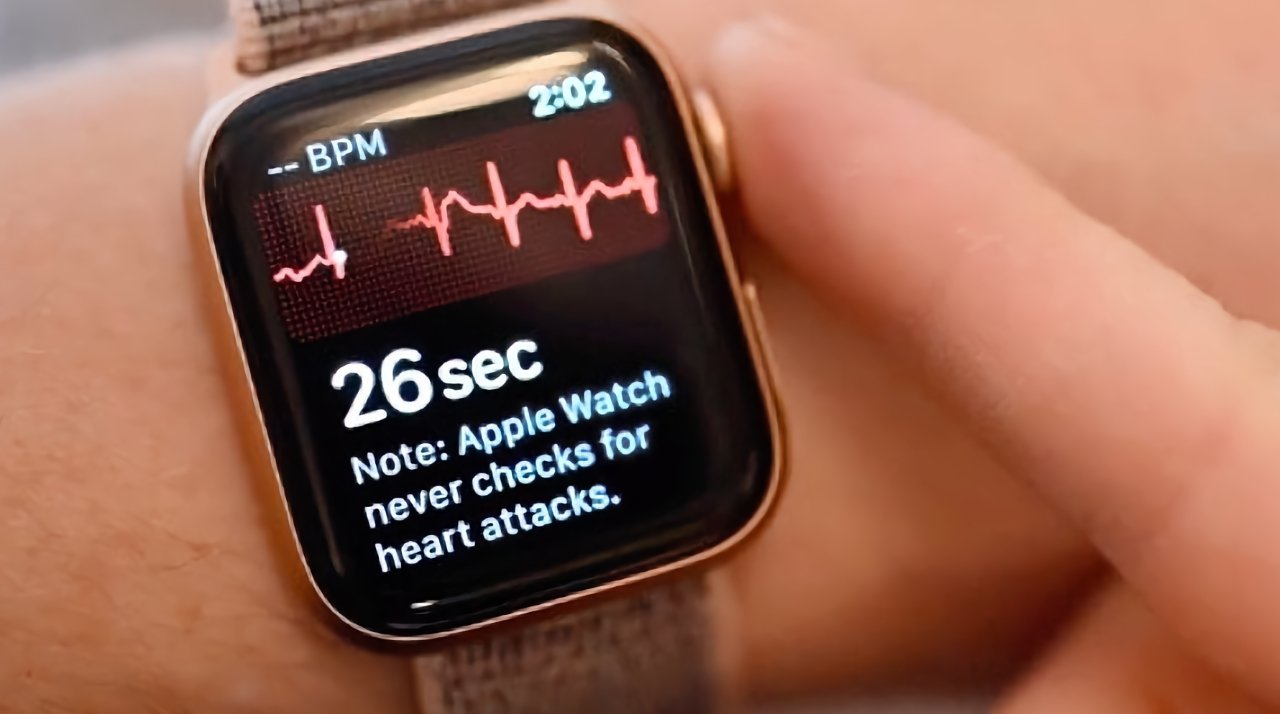
| Apple Watch | 60-75% | Similar performance to ring |
| Fitbit | 55-70% | Slightly lower |
| PSG (clinical) | 95-100% | Gold standard (measures eye movements directly) |
Why REM is the hardest stage to detect: REM has no movement (like deep sleep) but heart rate pattern similar to wake. Algorithms struggle to distinguish REM from light sleep and wake.

Part 5: How Much REM Sleep Do You Need?
Normal REM Percentages by Age
| Age Group | REM % of Total Sleep | Typical REM Duration (8-hour night) |
|---|---|---|
| Newborns | 50% | 8-9 hours |
| Infants | 30-40% | 2.5-3 hours |
| Children (5-12) | 20-25% | 1.5-2 hours |
| Teens (13-18) | 20-25% | 1.5-2 hours |
| Adults (18-60) | 20-25% | 1.5-2 hours |
| Elderly (60+) | 15-20% | 1-1.5 hours |
When Does REM Occur?
REM sleep follows a predictable pattern across the night:
| Time of Night | REM Duration | Characteristics |
|---|---|---|
| Early night (first 3 hours) | Short REM (5-10 min) | Mostly deep sleep |
| Middle night (hours 3-6) | Moderate REM (10-20 min) | Mixed with light sleep |
| Early morning (last 2-3 hours) | Long REM (30-60 min) | Longest dreams of the night |
Key takeaway: If you cut your sleep short, you lose your longest, most restorative REM periods. This is why sleeping in on weekends can feel so good—you are finally getting your REM.

Part 6: Signs You Are Not Getting Enough REM
Common Symptoms of REM Deprivation
| Symptom | Why It Happens |
|---|---|
| Poor memory | REM consolidates memories |
| Difficulty learning new skills | REM strengthens procedural memory |
| Mood swings, irritability | REM regulates emotions |
| Increased anxiety | REM processes fear |
| Hallucinations (severe deprivation) | REM rebound phenomenon |
| Weight gain | REM affects hunger hormones |
Causes of Low REM Sleep
| Cause | Effect on REM |
|---|---|
| Alcohol before bed | Suppresses REM (especially first half of night) |
| THC/Cannabis | Reduces REM significantly |
| Sleep apnea | Repeated awakenings fragment REM |
| Insomnia | Difficulty staying asleep cuts REM |
| Short sleep duration | Lose morning REM (longest cycles) |
| Shift work | Circadian disruption affects REM timing |
| Aging | Natural decline in REM percentage |

Part 7: How to Improve Your REM Sleep
Actionable Strategies
| Strategy | How It Works | Expected Improvement |
|---|---|---|
| Get 7-9 hours of sleep | Morning hours contain longest REM | Most effective |
| Avoid alcohol 3-4 hours before bed | Alcohol suppresses REM | Significant |
| Limit THC use | Cannabis reduces REM | Moderate to significant |
| Treat sleep apnea (if suspected) | Apnea fragments REM | Significant |
| Keep consistent sleep schedule | REM cycles need regularity | Moderate |
| Reduce stress (meditation, journaling) | Stress affects sleep architecture | Moderate |
| Avoid caffeine after 2 PM | Caffeine disrupts sleep cycles | Mild to moderate |
| Sleep in a cool, dark room | Optimal sleep environment | Mild |
What Your Smart Ring Can Tell You
Your smart ring can help you identify REM disruptors:
| You Change... | Your Ring Can Show... |
|---|---|
| Skip alcohol for a week | REM percentage increase |
| Start CPAP therapy | REM sleep recovers (often dramatically) |
| Go to bed earlier | More morning REM |
| Reduce stress | Better sleep architecture overall |

Quick Reference Card: REM Sleep
| Question | Answer |
|---|---|
| What does REM stand for? | Rapid Eye Movement |
| What happens in REM? | Dreaming, memory consolidation, emotional processing |
| How much REM do adults need? | 1.5-2 hours (20-25% of sleep) |
| When does most REM occur? | Early morning (last 2-3 hours of sleep) |
| How accurate are smart rings for REM? | 60-75% vs PSG (weakest stage) |
| What reduces REM? | Alcohol, THC, sleep apnea, short sleep |
| What improves REM? | Longer sleep, no alcohol, treat apnea |

Final Takeaway: REM Is When Your Brain Repairs Your Mind
Deep sleep repairs your body. REM sleep repairs your mind.
While your body lies paralyzed, your brain runs a nightly maintenance program: filing memories, processing emotions, connecting ideas, and resetting your mood for the next day.
Your smart ring cannot measure your eye movements or see your dreams. But it can estimate your REM duration—and more importantly, track how lifestyle changes (less alcohol, more sleep, treating apnea) affect your REM over time.
Use your ring to protect your REM. Go to bed earlier. Skip the nightcap. Treat that snoring. Your dreams—and your waking brain—will thank you.