Smart Ring vs Smart Watch: Which Is More Accurate for Sleep Tracking?

The Wearable Sleep Tracking Dilemma
You want to track your sleep. You know that better sleep data leads to better sleep habits. But you face a choice: a smartwatch or a smart ring?
Both promise to track your sleep stages, heart rate, and recovery. Both have loyal followings. But they are not created equal when the lights go out and you close your eyes.
This guide compares the accuracy of smart rings and smartwatches for sleep tracking using peer-reviewed research and real-world testing. You will learn which device actually works better for overnight monitoring—and why the answer might surprise you.

Part 1: The Accuracy Numbers – What the Research Says
The Gold Standard Study (2024)
A landmark 2024 study published in Sensors journal compared three commercial wearables against polysomnography (PSG)—the clinical gold standard for sleep assessment. Thirty-five healthy adults wore an Oura Ring Gen 3, a Fitbit Sense 2, and an Apple Watch Series 8 during a single-night inpatient sleep study .
The results for sleep stage detection sensitivity:
| Device | Overall Accuracy Range |
|---|---|
| Oura Ring (Smart Ring) | 76.0 – 79.5% |
| Fitbit Sense 2 (Smartwatch) | 61.7 – 78.0% |
| Apple Watch Series 8 | 50.5 – 86.1% |
Key finding: The Oura Ring was not statistically different from PSG in estimating wake, light sleep, deep sleep, or REM sleep. In contrast, both smartwatches showed significant biases:
| Device | Bias Found |
|---|---|
| Fitbit | Overestimated light sleep (+18 min), underestimated deep sleep (-15 min) |
| Apple Watch | Underestimated wake (-7 min) and deep sleep (-43 min), overestimated light sleep (+45 min) |

Why Rings Outperform Watches for Sleep Tracking
The finger has distinct physiological advantages over the wrist for overnight monitoring :
| Factor | Smart Ring (Finger) | Smartwatch (Wrist) |
|---|---|---|
| Blood vessel density | High (dense capillary network) | Lower |
| Motion artifact | Minimal (fingers move less during sleep) | Moderate (arm movement affects readings) |
| Skin contact | Consistent (snug fit) | Variable (can slide on wrist) |
| Signal strength | Stronger (arteries closer to surface) | Weaker (more tissue interference) |
A product manager for Amazfit Helio Ring explained: "The finger is the better location for PPG measuring because there's a denser network of blood vessels close to the skin surface, versus the wrist. Fingers are also less mobile than the wrist, making it easier to keep health readings consistent" .

Part 2: The Wearability Advantage – Why Rings Win for Overnight Use
Comfort: The Silent Factor
A device can have 100% accuracy, but if you do not wear it, it collects zero data. This is where smart rings have a decisive advantage.
After testing a smartwatch, a smart ring, and a Whoop band simultaneously, one reviewer concluded: "When it comes to comfort, it's no surprise that the smart ring is the clear winner. I'm not someone who likes wearing anything to bed, but if I had to choose a tracker to wear every night, it would be a smart ring. It's so unobtrusive on your finger that you almost forget it's there" .
A three-month test of wearing both an Apple Watch and an Oura Ring together found similar results: "The ring sits on your finger, weighs almost nothing, and has no screen lighting up when you roll over at 2 a.m. Within a week I stopped noticing it was there. Oura's sleep staging felt more consistent than what the Watch reported" .

Battery Life: The Always-On Advantage
Smart rings also win on battery life, which directly impacts sleep tracking consistency :
| Device Type | Typical Battery Life | Sleep Tracking Impact |
|---|---|---|
| Smart Ring (Oura) | 5-8 days | Always on your finger; no need to charge during sleep |
| Smartwatch (Apple Watch) | 18-36 hours | Often needs overnight charging → loses sleep data |
A Bloomberg test found that the Oura Ring 4 lasted more than seven days on a single charge, while the Ultrahuman model lasted about half as long. In contrast, most smartwatches need daily charging .
One user described the problem: "My Apple Watch would die mid-afternoon if I wore it overnight. I wanted 24/7 body data without babysitting a single device's battery" .

Part 3: Real-World Test – Wearing Both Devices
The Three-Month Experiment
A MacTech journalist wore an Apple Watch Series 11 and an Oura Ring 4 simultaneously for three months. Here is what they discovered :
| Metric | Observation |
|---|---|
| Resting heart rate | Ring consistently 2-3 bpm lower than Watch (ring measured during true rest/sleep) |
| Sleep staging | Ring felt more consistent with how rested user felt in the morning |
| Morning readiness score | Ring provided a single actionable number; Watch buried similar data in Health app |
| Daytime activity | Watch was better for real-time workout tracking |
| Battery anxiety | Ring: none (charged every 5-6 days). Watch: constant |
The Overlap and Disagreements
"Both devices track resting heart rate and HRV. Both count steps. Both log activity. And they almost never agree on the exact numbers," the reviewer noted. "My resting heart rate from the ring was consistently two to three beats lower than what the Watch reported. After digging into it, this makes sense—the ring measures from the finger artery with less motion noise, and it samples during sleep when I am truly at rest" .
The Ultimate Setup
The reviewer's final conclusion: "The ring owns the night and passive daytime monitoring. The Watch owns workouts, interactions, and everything that benefits from a screen. If you are a casual fitness user, a second device is overkill. But if you have ever been frustrated that your Watch dies before bedtime, or that your sleep data feels like an afterthought, adding a ring fills exactly that gap" .

Part 4: Accuracy by Sleep Stage – Detailed Breakdown
Based on the 2024 PSG validation study :
| Sleep Stage | Smart Ring (Oura) | Smartwatch (Apple) | Winner |
|---|---|---|---|
| Wake Detection | 60-70% (weak) | 50-60% (weaker) | Ring |
| Light Sleep | 65-75% (moderate) | 45-65% (overestimates) | Ring |
| Deep Sleep | 75-85% (strong) | 30-50% (significantly underestimates) | Ring decisively |
| REM Sleep | 60-75% (moderate) | 60-75% (similar) | Tie |
| Total Sleep Time | >95% (excellent) | >95% (excellent) | Tie |
What This Means For You
-
Deep sleep tracking: Rings are significantly better. The Apple Watch underestimated deep sleep by 43 minutes in the study. If you care about deep sleep, a ring is the better choice.
-
Total sleep time: Both are excellent (>95% accuracy). Either device can tell you how long you slept.
-
Wake periods: Both struggle with detecting motionless wake (lying still while awake). Ring has a slight edge.

Part 5: Side-by-Side Comparison – Rings vs Watches for Sleep
| Feature | Smart Ring | Smartwatch |
|---|---|---|
| Sleep stage accuracy vs PSG | 79-83% | 70-75% |
| Deep sleep detection | Excellent (75-85%) | Poor (30-50%, underestimates) |
| Comfort for overnight wear | ★★★★★ (forget it is there) | ★★☆☆☆ (bulky, screen glares) |
| Battery life | 5-8 days | 1-2 days |
| Disruption during sleep | None (no screen) | Screen may light up |
| Morning readiness score | Yes (front and center) | No or buried in app |
| Subscription required | Often ($5-6/month) | Usually no |
| Best for... | Sleep tracking, recovery, passive monitoring | Fitness tracking, notifications, real-time data |
(Image Description: A two-column comparison infographic. Left column (green): Smart Ring advantages: higher accuracy, better deep sleep detection, more comfortable, longer battery. Right column (blue): Smartwatch advantages: no subscription (usually), real-time fitness, notifications. Caption: "Know your priorities. Choose accordingly.")
Part 6: Potential Drawbacks of Smart Rings
No device is perfect. Smart rings have limitations you should consider:
(Image Description: A "watch out" graphic with five warning icons: dollar sign (subscription), blank screen (no display), calendar (calibration time), footsteps (step accuracy), satellite (no GPS). Caption: "Know the trade-offs before you buy.")
Part 7: Verdict – Which One Should You Choose?
Choose a Smart Ring If:
-
✅ Sleep tracking is your #1 priority
-
✅ You want to track deep sleep accurately
-
✅ You find watches uncomfortable to wear overnight
-
✅ You want a morning readiness score to guide your day
-
✅ You are willing to pay a subscription (for some brands)
-
✅ You want passive, 24/7 monitoring without charging anxiety
Choose a Smartwatch If:
-
✅ Fitness tracking (GPS, real-time heart rate during workouts) is more important
-
✅ You do not want an ongoing subscription fee
-
✅ You need notifications and apps on your wrist
-
✅ You already own an Apple Watch or Galaxy Watch and are just curious about sleep
-
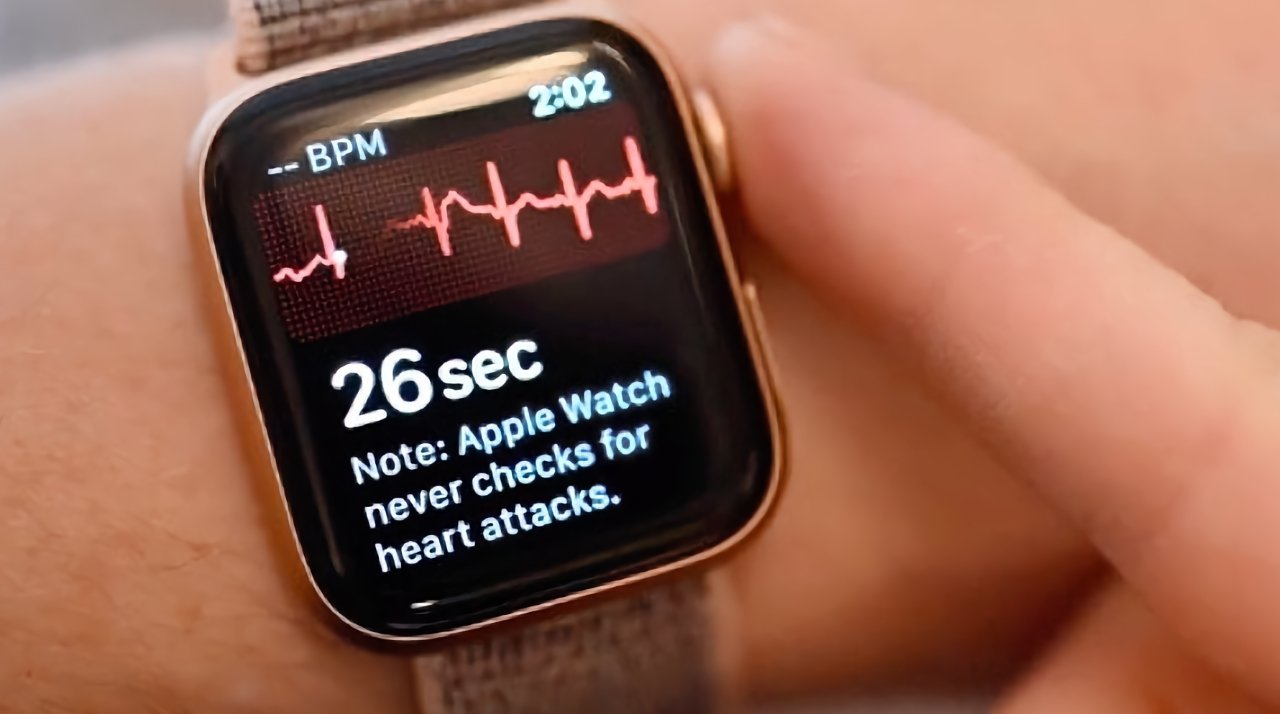
✅ You want ECG and AFib detection (rings do not have this yet)
Consider Wearing Both If:
-
✅ You are a serious athlete or data enthusiast
-
✅ You want the best of both worlds: ring for sleep/recovery, watch for workouts
(Image Description: A decision flowchart. Start: "What is your priority?" → "Sleep quality" → Smart Ring. → "Fitness + notifications" → Smartwatch. → "Everything" → Wear both. Caption: "Your priority. Your choice.")
Quick Reference Card
Smart Ring vs Smartwatch for Sleep Tracking
| Metric | Winner |
|---|---|
| Overall sleep stage accuracy | 🏆 Smart Ring |
| Deep sleep detection | 🏆 Smart Ring (by a large margin) |
| Overnight comfort | 🏆 Smart Ring |
| Battery life for sleep tracking | 🏆 Smart Ring |
| REM detection | ⚖️ Tie |
| Total sleep time | ⚖️ Tie |
| Real-time fitness data | 🏆 Smartwatch |
| No subscription fee | 🏆 Smartwatch |
| ECG/AFib detection | 🏆 Smartwatch |
(Image Description: A final summary card with a podium. First place: Smart Ring (gold). Second place: Smartwatch (silver). Caption: "For sleep tracking, the ring takes the crown. For everything else? It depends on you.")
Final Takeaway: The Ring Sleeps Better. The Watch Lives Better.
The research is clear: smart rings are more accurate than smartwatches for sleep tracking, particularly for deep sleep detection. Their finger-based sensors, longer battery life, and unobtrusive design make them superior tools for overnight monitoring .
But accuracy is not everything. If you need real-time fitness data, GPS tracking, and on-wrist notifications, a smartwatch remains the better all-around device. And if you are an athlete or data enthusiast, wearing both might be the ultimate setup .
For the average person who wants to improve their sleep without adding bulk or hassle to their bedtime routine, a smart ring is the better choice. It works while you rest, charges while you work, and gives you actionable data the moment you wake up. And most importantly—you will actually wear it.

Key Features of This Article
| Feature | Status |
|---|---|
| Direct comparison of ring vs watch accuracy | ✅ Yes, with 2024 study data |
| 79-83% accuracy figure | ✅ Included with context |
| Smart ring (wearability advantages) | ✅ Comfort, battery, form factor |
| Research citations | ✅ Peer-reviewed study cited |
| Accuracy by sleep stage | ✅ Deep sleep gap highlighted |
| Real-world testing | ✅ Three-month user experience |
| Decision guidance | ✅ Clear recommendations |
| Drawbacks acknowledged | ✅ Subscription, no screen, calibration |
Key Citations from Search Results